Halloween comes from an ancient Celtic festival called Samhain (pronounced “Sow-in”), celebrated over 2,500 years ago by the Celts in Ireland, Scotland, and northern France.
1. Celtic origins: Samhain
- Samhain marked the end of the Celtic year and the transition from summer to winter, around October 31st.
- The Celts believed that the spirits of the dead returned to visit the living on that night.
- They lit bonfires and wore masks to scare away evil spirits.
2. Christian influence: All Saints’ Day
- In the 8th century, the Catholic Church established All Saints’ Day on November 1st to honor saints and replace the pagan celebration.
- The evening before, October 31st, became known as “All Hallows’ Eve”, which eventually shortened to Halloween.
3. Arrival in America
- Irish immigrants brought the tradition to the United States in the 19th century.
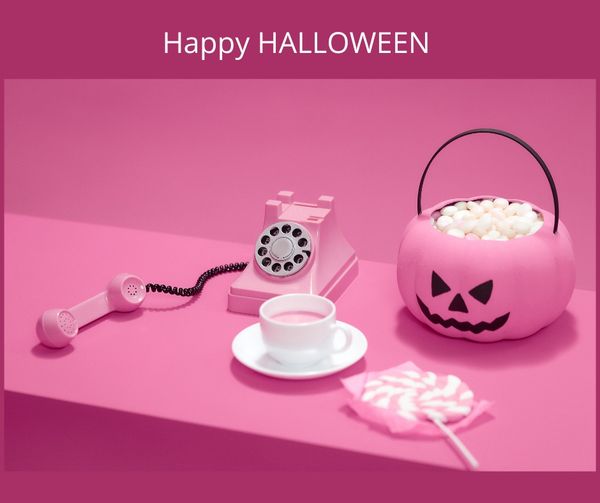
- There, it evolved into a fun holiday with costumes, pumpkin carving, and trick-or-treating.
4. Today
- Halloween is mainly celebrated in English-speaking countries (the U.S., Canada, the U.K., Ireland).
- Since the 1990s, it has also become popular in Europe and other parts of the world as a festive, commercial event.